Throughout New Jersey and nationwide, many communities are taking up Complete Streets at the core of how they plan, design, and maintain their local transportation networks. Municipal leaders are embedding Complete Streets principles into local ordinances, procedures, and their everyday decision-making to ensure their local streets are safer, more accessible, and more welcoming for all users.
Complete Streets planning focuses on creating roadways that accommodate the needs of all users, including pedestrians, bicyclists, motorists, and transit riders of all ages and abilities. New Jersey has emerged as a national leader in this work, supported by innovative and forward-thinking policies at the state and local levels. Key elements of these efforts include the development and use of a Complete Streets checklist, the creation of a Complete Streets Advisory Board, the establishment of clear benchmarks, and ongoing data collection to track progress. These tools help integrate Complete Streets into everyday planning practices in communities statewide.
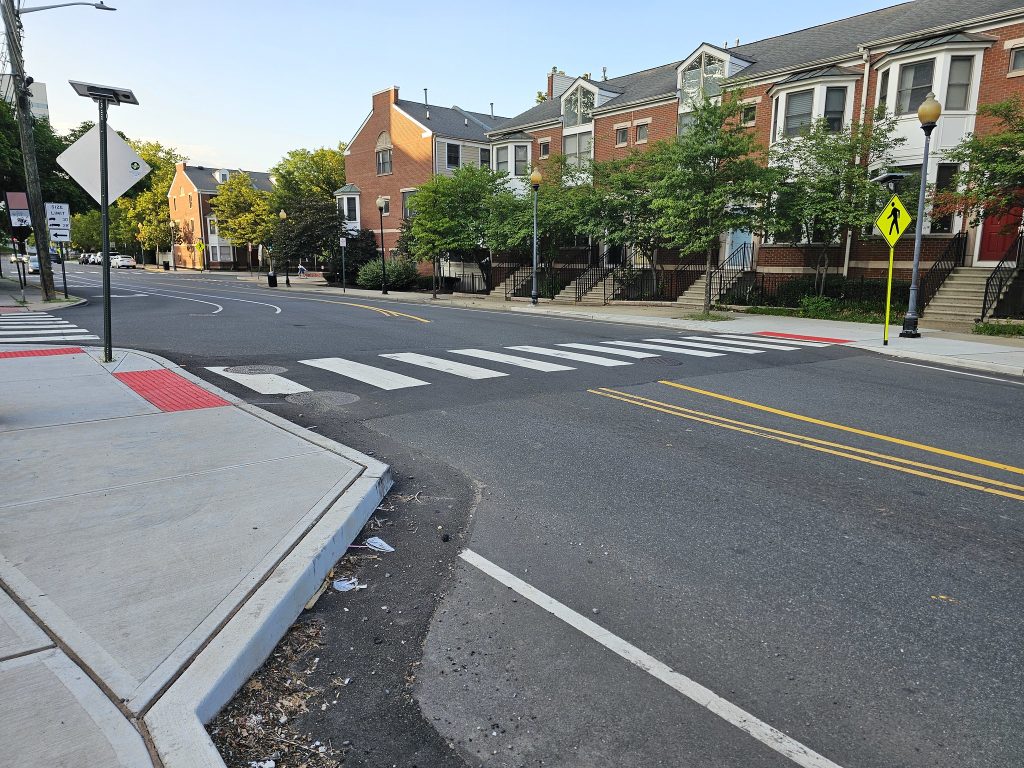
Are you looking for new ways to make Complete Streets a larger part of your community’s redevelopment? If you are a mayor, municipal administrator, council person, or community member interested in learning more about how to make Complete Streets planning the norm where you live or work, be sure to register for the 2026 NJDOT Complete Streets Summit. The Summit, which is sponsored by the New Jersey Department of Transportation, will take place on Tuesday, April 21, 2026, at the College Ave Student Center at Rutgers University in New Brunswick. Registration is open and free, so reserve your spot today!
For more information on the 2026 NJDOT Complete Streets Summit, including the link to register for free, please click here: https://njbikeped.org/2026-nj-complete-streets-summit/